The Participating Communities of the Green Empowerment Zone

Benicia

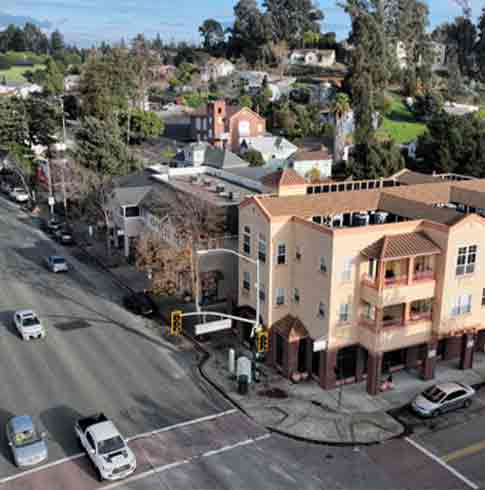
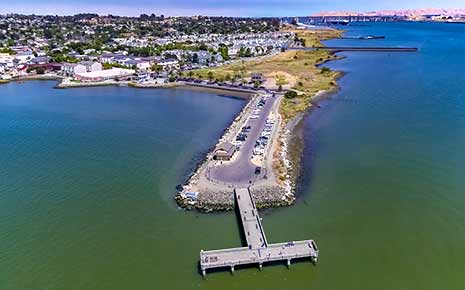
aerial view of benicia, ca warf and downtown

Benicia Combines Historic Character and Industrial Assets

Benicia combines historic character with significant commercial infrastructure. The preservation of downtown and the former State Capitol heritage creates a distinctive environment, while the county’s largest industrial park and deep-water port provide infrastructure for clean energy logistics, advanced manufacturing, and distribution operations.

Business Advantages:

  • Large industrial park with logistics and manufacturing capacity
  • Deep-water port with planned modernization for shipping and import/export
  • Collaborative local government is open to redevelopment and sustainable initiatives.

Population Demographics

As of 2025 the population of Benicia is 26,491. The population is expected to shrink to 26,275 by 2030 - a growth rate of -0.16%.

The median age of Benicia residents is 46.

The diversity index of Benicia is 71.3, meaning that there is a 71% chance that any two people selected out of 100 residents will be of different race or ethnicity from one another.

Housing and Income

The average household income in Benicia is $161,322 and projected to be $174,459 in 2030. Per capita income is $65,214, projected to be $70,592 in 2030. 11.95% of households – 3,165 – have an income of $200,000 or higher. Average net worth is $2,487,767 and the average disposable income is $117,506.

There are 11,191 housing units in Benicia; 7,517 are owner-occupied, 3,191 are rented, and 483 are vacant. The average home value is $830,652, with 148 homes built in 2010 or later, and 809 built in 1939 or earlier.

Business and Workforce

There are 1,354 businesses in Benicia, employing 12,021 workers and pulling from a labor force of 12,839 age 16 and above. 5,519 workers commute into Benicia from outside the county or state. Key industries for the area include:

7,320 residents both live and work in/around Benicia. The average travel time is 30.9 minutes. 4.26% people have a commute of less than 5 minutes while 6.43% commute 90 minutes or more each way. Of commuters, 8,503 drive alone, 1,003 carpool, and 380 take public transportation. 266 use other modes of transport such as motorcycle, bicycle, walking, etc. 2,687 residents work from home.

3,114 members of the workforce hold a high school diploma or GED. 2,378 have associates degrees, 6,436 have bachelor’s degrees, and 3,093 hold a graduate or professional degree.

Source: ESRI, 2025-09-12